

This is a blog that will take you through the Rum lifestyles of a fine group of people that enjoy the fun and pleasure of fine rums. We will travel to distilleries, partys, and Rum Events to bring you the Rumstyles of all those we come in contact with.
Sunday, November 22, 2015
Old Havana From the Bacardi Building
There is a awe inspiring 360 degree view from the top of the Bacardi Building in Havana. You can see from the harbor to the hills of the city on the opposite side of the building. No matter which way you look there are eye popping view. This one shows you the Jose Marti Memorial out toward Revolution Square.


Saturday, November 21, 2015
The Battles Over Cocktail Names Continues
 It seems that the spectrum of where you must not use names that are"confusing" to the public anywhere. Even blogs are receiving some of the "cease and desist" notices for tagging cocktails with names similar to the trademarked ones.
“A Dark 'N Stormy®, like a Painkiller®, or a Sazerac™, is one of a handful of trademarked cocktails. On September 15, 2015, Gosling sued Pernod Ricard USA, LLC alleging that Pernod's use of "Dark N' Stormy" and "Black Stormy" in recipes and advertising containing Pernod's Malibu line of rums infringed several of Gosling's DARK 'N STORMY registered trademarks. The case-Gosling Brothers Ltd. et. al. v. Pernod Ricard USA, LLC.-was filed in federal district court in Massachusetts. The alleged trademark infringement stemmed from Pernod including cocktail recipes on its website for a "Dark N' Stormy" containing Malibu Island Spiced Rum, and a "Black Stormy" containing Malibu Black Rum. Further, Pernod released a YouTube video demonstrating how to make a "Dark N' Stormy" using Malibu Island Spiced Rum. (A lot of the links seem to be now removed.)”

In the past there have been cases where owners of trademarked cocktails have sent out cease and desist orders and the problem usually went away, but Gosling Brothers Ltd. is taking this one much more seriously. it's not just brand names that can cause so many intellectual property disputes in the crowded spirits field. It is also every part of websites and advertising . It even applies to those quirky cocktail names you apply to your creations might come under these intellectual property controls. ;)
Friday, November 20, 2015
Proposed California Initiative Would Lower Drinking Age to 18
“But
group says 21 minimum drinking age has saved thousands of lives.”
 You've heard it before, "Why can you
join the military at 18 but not drink?"
Well, one proposed California ballot initiative is looking to change the
drinking age. According to California Secretary of State Alex Padilla, the
initiative has been cleared to begin collecting signatures. If it gets enough signatures to qualify for
the November 2016 ballot, voters will have the opportunity to decide whether
18-year-olds will be able to legally purchase and drink alcohol in the state.
The legal drinking age is 21, which was established by the National Minimum
Drinking Age Act of 1984.
You've heard it before, "Why can you
join the military at 18 but not drink?"
Well, one proposed California ballot initiative is looking to change the
drinking age. According to California Secretary of State Alex Padilla, the
initiative has been cleared to begin collecting signatures. If it gets enough signatures to qualify for
the November 2016 ballot, voters will have the opportunity to decide whether
18-year-olds will be able to legally purchase and drink alcohol in the state.
The legal drinking age is 21, which was established by the National Minimum
Drinking Age Act of 1984.
The proponent of the measure is business
owner Terrance Lynn, who must collect the signatures of 365,880 registered
voters to qualify, Padilla's office said in a statement. "The proponent has 180 days to
circulate petitions for the measure, meaning the signatures must be submitted
to county elections officials by April 26, 2016," the statement reads.
 The Secretary of State's office said if
the ballot passed, California would lose $200 million in federal highway funds.
But it would also lead to an increase in state and local tax revenues from the
sales of alcohol beverages, the office said.
Mothers Against Drunk Driving opposes lowering the drinking age below
21. The organization says that more than 25,000 lives have been saved across
the United States since the minimum drinking age was raised to 21. "When
states had lower legal drinking ages in the U.S., the underage drinking problem
was worse. For example, before the 21
minimum legal drinking age was implemented by all states, underage drunk
drivers were involved in over twice as many fatal traffic crashes as
today," MADD's website says. It
said the law continues to decrease the number of crashes by an
estimated 16 percent each year.
The Secretary of State's office said if
the ballot passed, California would lose $200 million in federal highway funds.
But it would also lead to an increase in state and local tax revenues from the
sales of alcohol beverages, the office said.
Mothers Against Drunk Driving opposes lowering the drinking age below
21. The organization says that more than 25,000 lives have been saved across
the United States since the minimum drinking age was raised to 21. "When
states had lower legal drinking ages in the U.S., the underage drinking problem
was worse. For example, before the 21
minimum legal drinking age was implemented by all states, underage drunk
drivers were involved in over twice as many fatal traffic crashes as
today," MADD's website says. It
said the law continues to decrease the number of crashes by an
estimated 16 percent each year.
"I
think it's fine at 21. I think if it was younger, maybe young adults may not
make the best choices," 20-year-old Michael Villagomez told KABC in Los
Angeles. "I think if we're able
to send people to war at 18, they should be able to determine if they can
handle alcohol," Burbank resident Lisa Neglia added. "I think 21 is a great age for drinking
because I feel like nowadays people think that just because they're older as in
16, 17 that they feel free to do whatever they want," 17-year-old Rakkell
Villagomez also told the station.
Thursday, November 19, 2015
Don Q Wants to Make Rum Responsibly
Sixth generation rum maker and Ph.D. candidate, Roberto Serralles talking
about the intersection of distilling and the Environment.
 Although they had to “take a little break
during Prohibition,” Don Q has always been run by the same family in the same
place. His family owns Don Q, supporter of Puerto
Rico Meets NYC and one of the largest distilleries on the island.
Although they had to “take a little break
during Prohibition,” Don Q has always been run by the same family in the same
place. His family owns Don Q, supporter of Puerto
Rico Meets NYC and one of the largest distilleries on the island.
“Don Q has always been in the
same family in the same place, though we had to take a little break during
Prohibition. When I actually went to college, I wasn’t thinking I would join
the family business — in fact, I wanted to be a professor, so I started on my
Ph.D. in environmental studies. It was a funny thing. I’d literally done all
but my dissertation when I started having conversations with my father about a
wastewater issue. I was living in Seattle and I started consulting back in
Puerto Rico — I was flying back and forth all the time. Eventually I moved home
and joined the business.”
“For anybody in the
distilling industry, wastewater is an issue. When you think about the way you
make spirits, you’re essentially concentrating the alcohol into something that’s
fermented and turning it into a spirit. What’s left over is wastewater. If
you’re making whiskey, for example, you’re essentially making an eight to ten
percent alcohol beer and then making whiskey from that — the other 90
percent is wasted. It’s not talked about very much.”
“The issue for us was that
back in the old days we had sugar cane fields and could put our wastewater back
into the field — it had nutrients, it provided irrigation and it worked
perfectly fine. But now that we no longer have sugar cane growing in the area,
we were spreading it in the fields, and the sewage (it’s nothing toxic, but
there’s a lot of organic content) was starting to degrade. The distillery was
upwind from town, and the smell started creating community relation issues.” “Our solution was to implement an anaerobic
digestion process. This process exhaled
methane, which we could then feed back into the boiler to reduce the amount of
oil it consumed. Then, similar to a
municipal wastewater treatment plant, we essentially pump the water with a lot
of air to convert it to irrigation-grade effluent.” It has a lot of ancillary benefits, including
the usable methane gas, but it’s very tricky. The digester creates a very
corrosive environment. We’re working on additional systems — eleven years
later, a lot of technology has changed. We’re looking for a more efficient
alternative.
 The definition of rum is that
it has to come from sugar cane — it can’t be made from wheat or corn. The sugar
cane molasses content is a critical component of the process. When we started, my great great grandfather
came from Spain and opened a small sugar cane operation. His first Puerto
Rican-born son bought a small still and used leftover molasses to make rum. It
was really always a sideline business — the main business was sugar cane. He
started making in rum in 1865, and the sugar cane industry has changed
dramatically over time. The golden age of sugar in Puerto Rico was between 1900
and the 1920s — Puerto Rico was one of the top exporters of sugar, and it was a
significant piece of the socioeconomic fabric of the landscape. That obviously
had tons of issues; the monocrops were problematic, sugar cane is very
labor-intensive, there were huge seasonal booms and busts in terms of labor
force. There’s no rosy history about these extractive agricultural economies.
By the 1960s and 1970s, we were having a really hard time competing — the price
of sugar dropped globally, introduction of corn syrups and corn sweeteners from
the US and other places meant that the price of sugar was less than a cent per
pound. The costs in Puerto Rico were very high. For example, labor force unions
didn’t want to allow mechanization while other countries were mechanizing
rapidly. We shifted to rum, but to this day, sourcing quality molasses for
distillers is a really tricky thing. When
you’re in the sugar industry, molasses is just a byproduct. Molasses is what’s
left over when it’s not economically viable to extract more sugar. When
the energy cost to make another sugar extraction is more than the price of
sugar you can extract, you stop that process.
As you can imagine, when the
price of sugar is 7-8 cents, there’s a lot more leftover sugar than when the
price goes up to 30 cents. The quality
of molasses is inverse to the price. There’s
a particular point in which the molasses is so poor you can’t ferment it — the
trick is finding good sources of molasses.
In this day and age, that means
finding inefficient mills.
The definition of rum is that
it has to come from sugar cane — it can’t be made from wheat or corn. The sugar
cane molasses content is a critical component of the process. When we started, my great great grandfather
came from Spain and opened a small sugar cane operation. His first Puerto
Rican-born son bought a small still and used leftover molasses to make rum. It
was really always a sideline business — the main business was sugar cane. He
started making in rum in 1865, and the sugar cane industry has changed
dramatically over time. The golden age of sugar in Puerto Rico was between 1900
and the 1920s — Puerto Rico was one of the top exporters of sugar, and it was a
significant piece of the socioeconomic fabric of the landscape. That obviously
had tons of issues; the monocrops were problematic, sugar cane is very
labor-intensive, there were huge seasonal booms and busts in terms of labor
force. There’s no rosy history about these extractive agricultural economies.
By the 1960s and 1970s, we were having a really hard time competing — the price
of sugar dropped globally, introduction of corn syrups and corn sweeteners from
the US and other places meant that the price of sugar was less than a cent per
pound. The costs in Puerto Rico were very high. For example, labor force unions
didn’t want to allow mechanization while other countries were mechanizing
rapidly. We shifted to rum, but to this day, sourcing quality molasses for
distillers is a really tricky thing. When
you’re in the sugar industry, molasses is just a byproduct. Molasses is what’s
left over when it’s not economically viable to extract more sugar. When
the energy cost to make another sugar extraction is more than the price of
sugar you can extract, you stop that process.
As you can imagine, when the
price of sugar is 7-8 cents, there’s a lot more leftover sugar than when the
price goes up to 30 cents. The quality
of molasses is inverse to the price. There’s
a particular point in which the molasses is so poor you can’t ferment it — the
trick is finding good sources of molasses.
In this day and age, that means
finding inefficient mills.Wednesday, November 18, 2015
Diageo Says It's Testing New Methods Of Distilling Aimed At Improving Productivity And Efficiency
This is the second part of the story that I ran yesterday. This is the response from Diageo in relation to the allegations made by the Department of Justice and the investigation that was launched. You can read more about this VI Consortium story at
 Diageo
USVI issued a statement late Monday in hopes of bringing clarity to confusion
over what it says is a new method of distilling that it's testing, following a
VI Consortium exclusive story revealing that the territory's Department of
Justice had launched an investigation to determine whether the liquid substance
from 14 Diageo tankers that it sampled was molasses, which is subsidized by the
Government of the Virgin Islands as part of a 30-year agreement between Diageo
and the GVI.
Diageo
USVI issued a statement late Monday in hopes of bringing clarity to confusion
over what it says is a new method of distilling that it's testing, following a
VI Consortium exclusive story revealing that the territory's Department of
Justice had launched an investigation to determine whether the liquid substance
from 14 Diageo tankers that it sampled was molasses, which is subsidized by the
Government of the Virgin Islands as part of a 30-year agreement between Diageo
and the GVI.
A
well-placed source within the Department of Justice revealed to The Consortium
that if the substance was found not to be molasses, then "all hell could
break lose," adding that the DOJ could extend its probe to include past
shipments in an effort to determine the length of breach.
But in
a statement issued to The Consortium, Diageo says it has been testing a sugar
cane intermediate as it continues to innovate and try new distilling
techniques.
"Now
in our fifth year of rum distillation on St. Croix, Diageo USVI is proud to
have achieved a number of milestones in our production. From record water
recovery and conservation, to the creation of new rum products, we continue to
innovate and test distilling processes and techniques. Some of these
distilling techniques are used throughout the Caribbean, and may help improve
plant efficiency, our environmental footprint, and productivity," wrote
Erica J. Johnson, communications and corporate relations head at Diageo USVI.
"As
part of this, we have been testing a new distilling process using sugar cane
intermediate, in which a minority amount of this ingredient, which we would be
bringing from outside the territory, would be added into our distilling process
along with molasses. Some tankers of this ingredient are now being
questioned by the VI Department of Justice officials. As with all
our distilling methods, the use of sugar cane intermediate is not only legal
and meets federal and local standards, it is also within the boundaries of our
agreement with the Government of the Virgin Islands," she added.
Tuesday, November 17, 2015
St. James Hors D`Age Rhum Vieux Agricole
Rhum St. James is one of a group of rhums that are known as "agricoles". This is a French style of rhum making that like other rums, has very strict rules by which it must be produced. I think that my friend Dave Russell probably put it best in one of his agricole reviews.
 "For your appreciation, and out of due respect, Agricole rhums must be
considered within their own context. Agricoles are distinguished by their
unique taste and aromas. There is more
to their story than is commonly known. Distillation
techniques, the proof of the spirit exiting the still, aging requirements and
required minimum quantities of residual particulate matter also contribute to
the difference.
"For your appreciation, and out of due respect, Agricole rhums must be
considered within their own context. Agricoles are distinguished by their
unique taste and aromas. There is more
to their story than is commonly known. Distillation
techniques, the proof of the spirit exiting the still, aging requirements and
required minimum quantities of residual particulate matter also contribute to
the difference.
What’s important to us is that rhums agricole generally
exhibit distinctly different aromas and flavors from their cousins industrielle. Often, people prefer one style over
the other, and there’s nothing wrong with that. It’s a matter of
taste anyway. If you prefer a sweeter style typical of molasses-based
multi-column distilled rums, the Saint James isn’t for you. But if you are
looking for a dry, elegant sipping rum made in the agricole style, mellowed in
oak to a mature age, then Rhum Agricoles might be for you."
That being said today I am tasting and sharing this rhum with some friends as part of The Rat Key Rum Tasting Association tasting and looking forward to the response to it that my friends have to this member of this very unique group of rhums. This is an 86 proof (43% ABV) rhum and it has been aged for between 6 and 10 years. It has a stunning Mahogany color and the aroma of dried fruit, and a very slight note of vanilla and wood.
This is a very dry rhum, one that has a lightly sweet with the faint taste of dried fruit on the palate that rapidly fades to a growing warmth related to the higher proof, with a relatively dry and short lived finish.
This is an agricole that is available herein the states. It also lacks the harshness and grassyness that man of the younger agricoles have. I feel like this is a really good way to introduce yourself to the world of agricole rhums.
Monday, November 16, 2015
Department Of Justice Investigating Whether Diageo USVI Breached Contract
A story has broken in St. Croix that there is an issue with Diageo and what is transpiring at the plant in St. Croix. This is an article published by the VI Consortium on November 10, 2015. This is a portion of the article and the rest can be read at http://viconsortium.com/featured/exclusive-department-of-justice-investigating-whether-diageo-usvi-breached-contract/ I will publish the Diageo response tomorrow.
 Between
the hours of 9:00 a.m. and 10:00 a.m. on Monday, Department of Licensing and
Consumer Affairs, along with Department of Justice officials descended on the
Gordon A. Finch Molasses Pier located on the south shore of this island and
west of Tropical Shipping, to take samples from 12 tanks of what's supposed to
be molasses used to produce rum at Diageo USVI's Captain Morgan Rum Distillery,
a DOJ source with direct knowledge of the matter revealed to The Consortium,
after the publication questioned officials on a tip it received from another
source with inside knowledge of the probe.
Between
the hours of 9:00 a.m. and 10:00 a.m. on Monday, Department of Licensing and
Consumer Affairs, along with Department of Justice officials descended on the
Gordon A. Finch Molasses Pier located on the south shore of this island and
west of Tropical Shipping, to take samples from 12 tanks of what's supposed to
be molasses used to produce rum at Diageo USVI's Captain Morgan Rum Distillery,
a DOJ source with direct knowledge of the matter revealed to The Consortium,
after the publication questioned officials on a tip it received from another
source with inside knowledge of the probe.
"It looks and smells like rum," the DOJ source said, adding that DOJ must first test the samples before accusing Diageo USVI of any wrongdoing or breach of contract. But if the firm were to be found in breach, the consequences could be far-reaching; and the DOJ would extend its investigation and try to determine how long the breach has existed.
 Between
the hours of 9:00 a.m. and 10:00 a.m. on Monday, Department of Licensing and
Consumer Affairs, along with Department of Justice officials descended on the
Gordon A. Finch Molasses Pier located on the south shore of this island and
west of Tropical Shipping, to take samples from 12 tanks of what's supposed to
be molasses used to produce rum at Diageo USVI's Captain Morgan Rum Distillery,
a DOJ source with direct knowledge of the matter revealed to The Consortium,
after the publication questioned officials on a tip it received from another
source with inside knowledge of the probe.
Between
the hours of 9:00 a.m. and 10:00 a.m. on Monday, Department of Licensing and
Consumer Affairs, along with Department of Justice officials descended on the
Gordon A. Finch Molasses Pier located on the south shore of this island and
west of Tropical Shipping, to take samples from 12 tanks of what's supposed to
be molasses used to produce rum at Diageo USVI's Captain Morgan Rum Distillery,
a DOJ source with direct knowledge of the matter revealed to The Consortium,
after the publication questioned officials on a tip it received from another
source with inside knowledge of the probe.
DOJ
and DLCA officials also took samples from two separate shipments at Diageo's
rum distillery, located at the Renaissance Park development here. According to
the DOJ source, who requested anonymity because of the nascent nature of the
investigation, part of Diageo USVI's agreement with the Government of the
Virgin Islands is that the GVI subsidizes the molasses imported to make the rum
here. But the samples collected on all 14 containers did not appear to be
molasses, which is dark in color and has a strong, distinct smell.
"It looks and smells like rum," the DOJ source said, adding that DOJ must first test the samples before accusing Diageo USVI of any wrongdoing or breach of contract. But if the firm were to be found in breach, the consequences could be far-reaching; and the DOJ would extend its investigation and try to determine how long the breach has existed.
molasses
pier entrance
In
2008 the GVI subsidized Diageo's move to the island, totaling an estimated $2.7
billion over 30 years. Some of the subsidies include: a new $165 million distillery,
"market support payments" to keep prices low for molasses, 35 percent
of what Diageo spends on advertising, a 90 percent income tax break, exemption
from property taxes, environmental mitigation supports, and 47.5 percent of all
tax revenue collected on Captain Morgan rum. By one estimate, Diageo's net cost
to produce rum is zero, according to Tax Foundation, a leading independent tax
policy research organization. The 30-year agreement received Senate
ratification on July 9, 2008, with a 10-5 vote.
Sunday, November 15, 2015
November, Sunshine, Umbrellas and a Palm Tree

Fall in the Keys can be so wonderful, 80 degree days, lazy clouds, blue skies. Just give me an umbrella under a palm tree and let me lay in the sand and sip my favorite rum and relax.
I knew that there was a reason that I chose to live in the Keys, I can't think of a better place to live. I may be prone to traveling further south on occasions, but for living, it is really hard to beat life in the Keys.
Just give me a sunny November day in the 80 degree range with a beautiful blue sky scattered with fluffy clouds add a beach and an umbrella lo lie under with a cocktaile and you might be awfully close to heaven right here on earth. ;o)
Saturday, November 14, 2015
Barbados by Night
 Looking for a new way to enjoy Doorly's XO, try this Idea that I worked out the other afternoon in the "camper". It has a really dry taste, but that is what I was looking for. It is not the tart of the "Papa Doble", but is has a very naturally smooth and slightly sweet flavor.
Barbados by Night
·
2 oz. Doorly’s XO
·
1/2 oz. Drambuie
·
2 dashes Fee Brothers Old Fashion Bitters
·
Lemon Twist
Preparation: Add all ingredients to a mixing glass with ice, stir until
chilled and strain into a rocks glass, Twist the lemon oil from the zest and
drop into the cocktail.
Give this one a try, I think that your will really like it. It brings back some the ideas of the classic cocktails by mixing the Drambuie with the dry rums of Richard Seale. ;o)
Friday, November 13, 2015
Friday the Thirteenth: What is That All About
 It's Friday the 13th, and millions of people are on edge,
fearing a calamity with personal or global repercussions-a broken leg, a stock
market crash, or the trigger pulled for World War III.
It's Friday the 13th, and millions of people are on edge,
fearing a calamity with personal or global repercussions-a broken leg, a stock
market crash, or the trigger pulled for World War III.
Why all the
anxiety? In short, because the fear is ingrained in Western culture, "If nobody bothered to teach us about
these negative taboo superstitions like Friday the 13th, we might in fact all
be better off." People who harbor
a Friday the 13th superstition might have a fear of the number 13, and often pass on
their belief to their children, he noted. Popular culture's obsession with the
fear-think the Friday the 13th horror films and
even this story-helps keep it alive, added Stuart Vyse, the author of Believing in Magic: The Psychology of Superstition. Although superstitions can be arbitrary-a fear of ladders
or black cats, for example-"once they are in the culture, we tend to honor
them "You feel like if you are
going to ignore it, you are tempting fate."


 There are some that say the it has its roots in the Bible. There are several theories out their that give way to why the number 13 is such a problem for so many people. Then there's Friday. Not only was Christ crucified on
that day, but some biblical scholars believe Eve tempted Adam with the
forbidden fruit on a Friday. Perhaps most significant is a belief that Abel was
slain by his brother Cain on Friday the 13th. More interesting is why people associate any Friday the
13th with bad luck. The answer has to
do with what is called principles of "magical thinking" found in
cultures around the world. One of these
principles involves things or actions-if they "resemble other things in
any way of resemblance-shape or sound or odor or color-people tend to think
those things are related and in a causal way." In
this framework, there were 13 people present at the Last Supper, so anything
connected to the number 13 from then on is bad luck.
There are some that say the it has its roots in the Bible. There are several theories out their that give way to why the number 13 is such a problem for so many people. Then there's Friday. Not only was Christ crucified on
that day, but some biblical scholars believe Eve tempted Adam with the
forbidden fruit on a Friday. Perhaps most significant is a belief that Abel was
slain by his brother Cain on Friday the 13th. More interesting is why people associate any Friday the
13th with bad luck. The answer has to
do with what is called principles of "magical thinking" found in
cultures around the world. One of these
principles involves things or actions-if they "resemble other things in
any way of resemblance-shape or sound or odor or color-people tend to think
those things are related and in a causal way." In
this framework, there were 13 people present at the Last Supper, so anything
connected to the number 13 from then on is bad luck. On Friday the
13th, some people are so crippled by fear that they lock themselves inside;
others will have no choice but to grit their teeth and nervously muster through
the day. Nevertheless, many people will
refuse to fly, buy a house, or act on a hot stock tip, inactions that noticeably
slow economic activity. "It's been
estimated that $800 or $900 million is lost in business on this day in the United States because people will not fly or do business they normally would do," he
said.
On Friday the
13th, some people are so crippled by fear that they lock themselves inside;
others will have no choice but to grit their teeth and nervously muster through
the day. Nevertheless, many people will
refuse to fly, buy a house, or act on a hot stock tip, inactions that noticeably
slow economic activity. "It's been
estimated that $800 or $900 million is lost in business on this day in the United States because people will not fly or do business they normally would do," he
said. I'll be at work making drinks all day today, so if you need a little courage to get through the day stop on by and enjoy a fun cocktail to take the stress of the day away. ;o)
 Thursday, November 12, 2015
The Rum Journal's 2015 Rum Awards
Each year the Caribbean Journal names its Rum Awards. Here are the winners for 2015. I think that you will find all of these to be very worthy of their awards. Congratulations to all of the winners.

Rum
of the Year: 1931 (Fourth Edition) By St Lucia Distillers
The Rum of the Year is
always the hardest choice to make, and this year was no different. More and
more producers are entering the market with serious aged rums, looking to
highlight how far rum has come, how many delicious, interesting rums are now on
the market. But one rum took top honors: 1931 from St Lucia Distillers. This is
the fourth edition of a small-production rum, but this year there was a twist:
along with a blend of several maturates, this year saw the inclusion in the
blend of St Lucian-grown rhum agricole, the first agricole to
be produced on the island since the 1930s. The result is something rather
astonishing: a velvety, voluptuous rum with a fascinating texture and a playful
but elegant flavor profile marked by tropical fruit, citrus zest, caramel,
dried mango and spice. This was the best rum we tried all year, and a simply
spectacular rum. Cheers to the 2015 Rum of the Year, 1931 By St Lucia
Distillers.
Runners
up: Mount Gay XO, Ron Santiago de Cuba 11 Anos, Flor de Cana 25, Papa’s Pilar
Limited Edition.
Rhum
Agricole of the Year: Rhum Depaz XO Grand Saint-Pierre
Another incredibly
difficult choice. The rums of the French Caribbean are, arguably, the most
“authentic” in the Caribbean — they have a real terror, a sense that one can
taste the region where they were made, thanks to a local, vertically integrated
process from cane to cap. But the best offering from the French Caribbean was
this: Rhum Depaz XO Grand Saint-Pierre. This agricole from the foothills of
Martinique’s Mont Pelee volcano is magnificent: ultra-smooth,
ultra-balanced and spicy, with notes of candied fruit, with a transcendent
finish. This is the second year in a row that Depaz has taken the top agricole
crown, and the reason is clear: they’re producing simply exquisite rums.
Runners
up: Rhum HSE XO, Rhum Damoiseau 8 Ans, Rhum Dillon XO.
 Best New Rum: Afrohead
Long a house rum, this rum was born on Harbour Island in
the Bahamas but now is something far more regional, from Dominican molasses to
Trinidadian distillation. The 15-year variety is a terrific rum that earned a
lot of points for its wonderful drinkability and a feeling of authenticity. At
its roots, it still feels like a house rum, and that’s a very good thing.
Best New Rhum Agricole: Rhum HSE 2005 Sherry Finish Pedro
Ximenez
This is the most creative rum distillery in Martinique,
and one might argue in all of the Caribbean. HSE is the rum that really
pioneered the extra “finishing” process of rhums
agricoles, from finishing agricoles in malt whisky barrels to, more
recently Spanish sherry. The latest edition of the Sherry Finish saw an aged
agricole spending eight months in Pedro Ximenez sherry barrels, and the result
was a peppery but sweet rum with HSE’s signature power. A tremendous product
and one that makes us excited to see what they come up with next.
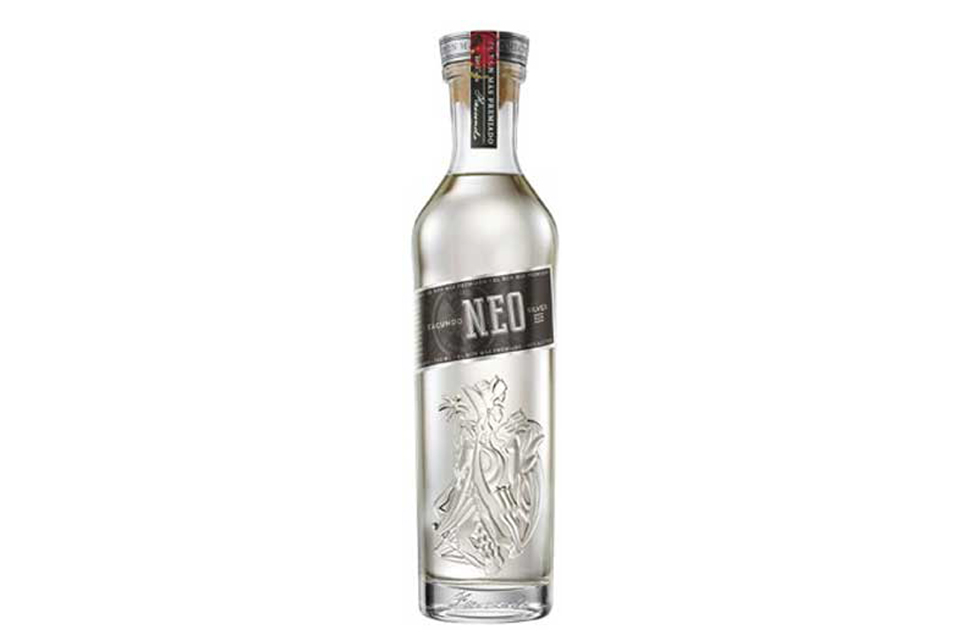
Best White Rum: Bacardi Facundo Neo
 Two years ago, the new Facundo Collection took the rum
world by storm — the best rums Bacardi had produced in decades. And the
company’s Exquisito took home Rum of the Year honors. We’re glad to see that
the Facundo collection is still around, and the company’s Neo white rum
(actually a blend of aged rums that’s then charcoal-filtered) is, while
expensive, a new kind of standard for great white rum: smooth, elegant, crisp.
It passes the most important test of white rum with flying colors: you can sip
it.
Two years ago, the new Facundo Collection took the rum
world by storm — the best rums Bacardi had produced in decades. And the
company’s Exquisito took home Rum of the Year honors. We’re glad to see that
the Facundo collection is still around, and the company’s Neo white rum
(actually a blend of aged rums that’s then charcoal-filtered) is, while
expensive, a new kind of standard for great white rum: smooth, elegant, crisp.
It passes the most important test of white rum with flying colors: you can sip
it.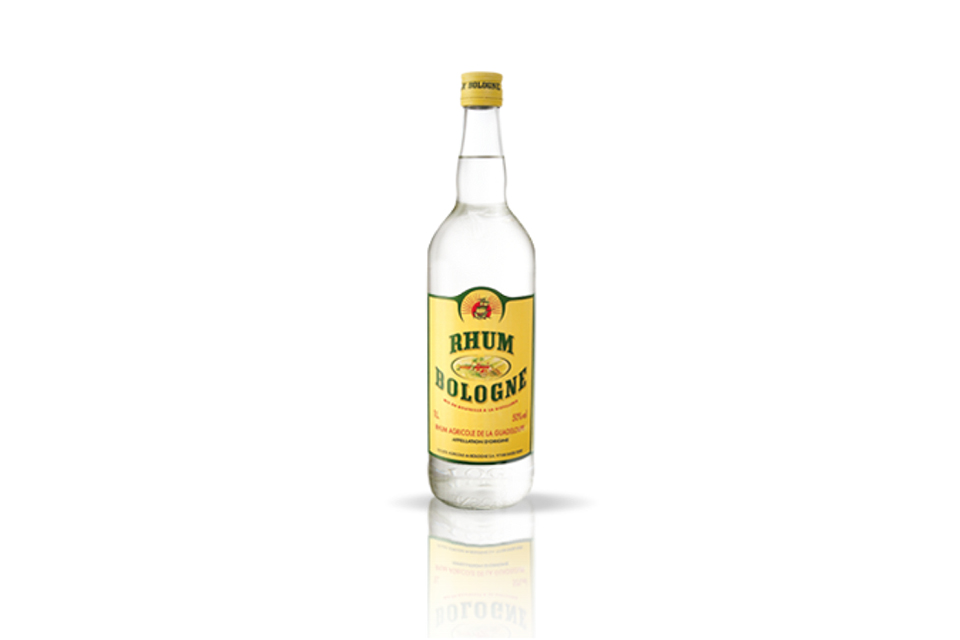
Best White Rhum Agricole: Rhum Bologne
There are a few important benchmarks for a great rhum blanc. First, and most importantly, how
does it taste in a Ti’ Punch? And second, how does it taste sec, or neat? On both counts,
Guadeloupe’s Rhum Bologne is at the top of the class. Bologne’s 100-proof white
rhum agricole is a floral, sweet, energetic superstar. Guadeloupe remains one
of the world’s undiscovered rum capitals — but here’s hoping that changes.
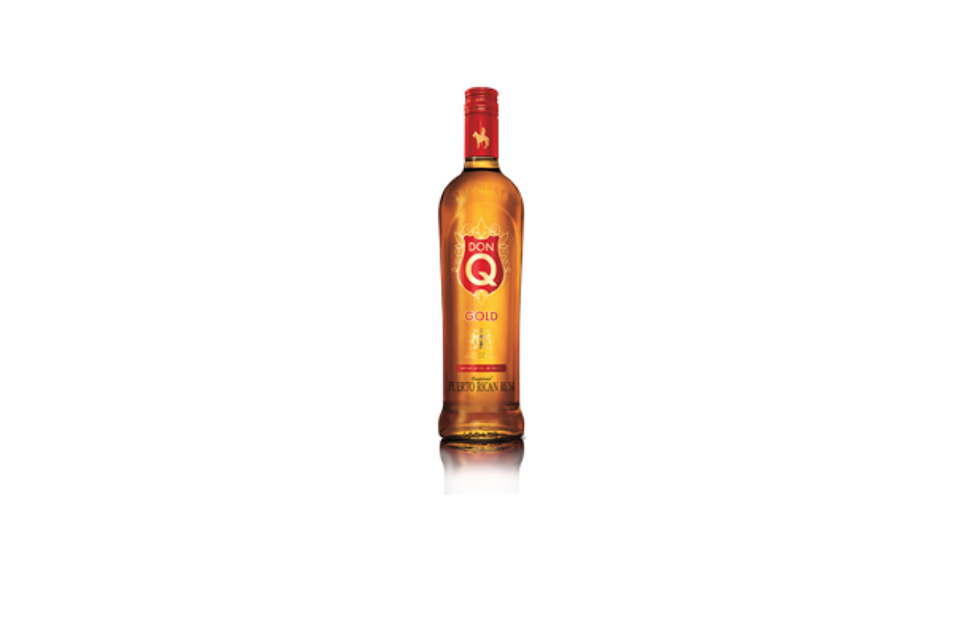
Best Gold Rum: Don Q Gold
This is a tough category to judge, simply because the area
between young white rums and older aged rums is often filled with a Motley Crue
of rums. But Don Q has long been making some of the Caribbean’s best rums in
this category, and the Don Q Gold is no exception. While, like most gold rums,
it’s best off in a cocktail, this is a rum with a honey-sweet aroma and a
caramel-brown sugar flavor profile that makes it quite drinkable on its own.
Best Spiced Rum: Siesta Key Spiced Rum
 The first time we announced the Rum Awards, a certain
upstart rum from Florida, not from the Caribbean, took the crown. Since then,
Siesta Key has swept the Rum Awards’ Best Spiced Rum category every year, last
year with its Distiller’s Reserve. And this year is no different, except that
this year we return to the rum that started it all: Siesta Key Spiced Rum, the
company’s flagship expression. It’s quite smooth, made from Florida sugar cane
and distilled in a copper pot still. It’s simple, rooted in natural spices and,
most importantly for a spiced rum, uniquely sippable. This distillery in
Sarasota has set a standard for spiced rums around the world, and has also
shown the world that America is producing some rather good rums of its own.
2015 makes it four years in a row. Cheers, Siesta Key.
The first time we announced the Rum Awards, a certain
upstart rum from Florida, not from the Caribbean, took the crown. Since then,
Siesta Key has swept the Rum Awards’ Best Spiced Rum category every year, last
year with its Distiller’s Reserve. And this year is no different, except that
this year we return to the rum that started it all: Siesta Key Spiced Rum, the
company’s flagship expression. It’s quite smooth, made from Florida sugar cane
and distilled in a copper pot still. It’s simple, rooted in natural spices and,
most importantly for a spiced rum, uniquely sippable. This distillery in
Sarasota has set a standard for spiced rums around the world, and has also
shown the world that America is producing some rather good rums of its own.
2015 makes it four years in a row. Cheers, Siesta Key.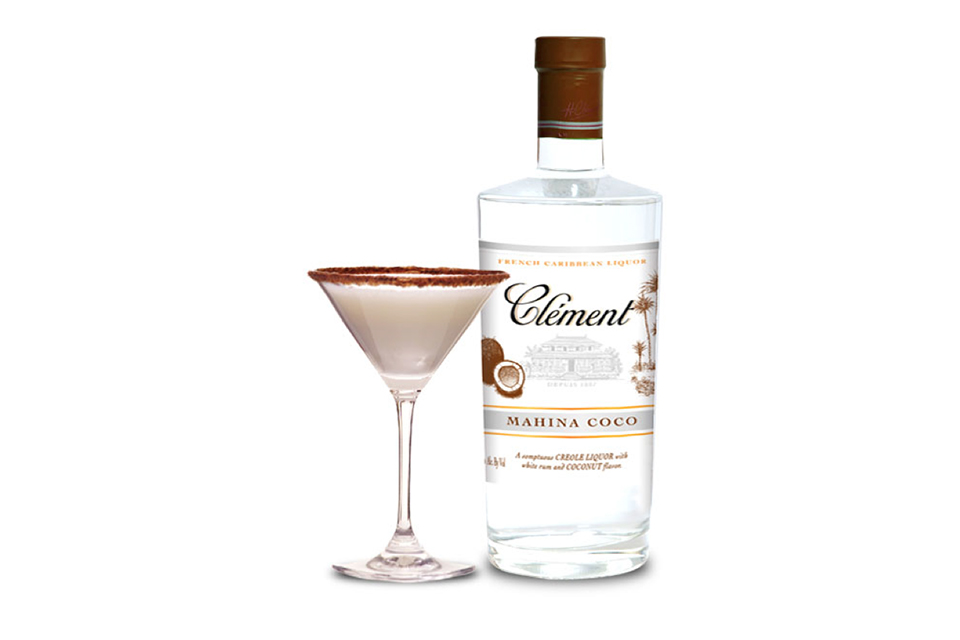
Best Flavored Rum: Rhum Clement Mahina Coco
We were pleasantly surprised to this on the shelf in an
American city, because Clement’s Mahina Coco is absolutely lovely. A throwback
to the homemade punches you often find after dinner in the
French Caribbean, this is a fruity, creamy delight that’s a dessert on its own
—and an elegant digestif.

Best Overproof Rum: Sunset Very Strong Rum
St Vincent Distillers is quietly one of the Caribbean’s
underrated outfits, best known for Captain Bligh XO but also producers of some
significant Caribbean spirits. And none more robust than the aptly-named Sunset
Very Strong Rum. This is as strong a rum as you will find anywhere on earth —
but it’s also remarkably smooth. Bottled at 84.5% ABV, it requires some
courage. But that courage is rewarded with a remarkably smooth overproof
spirit.
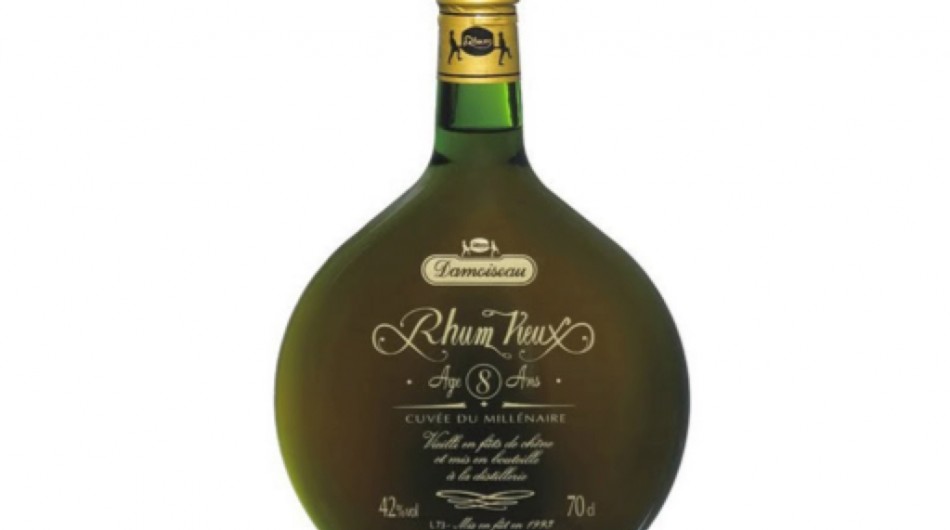
Best Bottle Design: Rhum Damoiseau Rhum Vieux 8 Ans
The thing we love most about this bottle is that it feels
far older than eight years. It feels like something you find floating around in
the ocean, or tucked away in a corner of a centuries-old bar. Its green, flat
shape hearkens back to a different era, and that’s what rum is all about.
Rum Bar of the Year: Papa Zouk, Antigua
We were dismayed to learn that, last year, the venerable
Papa Zouk in Antigua had burned down. But through the charity and love of its
many patrons, the bar was rebuilt. It remains a Mecca of Caribbean rum, a place
that all rum pilgrims must visit and pay homage. Bert Kirchner’s “rum shop” on
the outskirts of St John’s has more than 100 rums, less than its heyday but one
growing quickly, in large part to frequent donations by customers. This is a
wonderful place, a wonderful rum shop and the best rum bar in all of the
Caribbean.
Read More at http://caribjournal.com/2015/11/06/rum-journal-the-rum-awards-2015/
I feel like this was a great group of winners against some very venerable competitors and I'm proud of all that were considered for the awards.
Wednesday, November 11, 2015
Don Papa Launches 10 Year Old Expression in UK
Following the UK debut of its core expression last year,
Philippine Rum brand Don Papa has launched a limited edition 10-year-old
expression in the market.
 Don
Papa 10 will launch in the UK later this week.
Don Papa, described as the world’s first single island rum from the
Philippines, first hit shelves in the UK last February. The brand’s “super-premium” 10-year-old variant is a created on
the southern island of Negros and is aged in re-charred oak barrels in the
foothills of Mount Kanlaon before being blended. The variant will be distributed in the UK by
distributor Marblehead Brand Development from 5 November, with exclusive
availability in Harvey Nichols for the first month.
Don
Papa 10 will launch in the UK later this week.
Don Papa, described as the world’s first single island rum from the
Philippines, first hit shelves in the UK last February. The brand’s “super-premium” 10-year-old variant is a created on
the southern island of Negros and is aged in re-charred oak barrels in the
foothills of Mount Kanlaon before being blended. The variant will be distributed in the UK by
distributor Marblehead Brand Development from 5 November, with exclusive
availability in Harvey Nichols for the first month.
“We are very proud to be able to bring
out the 10-year-old and further share with the world, some great Philippine
rums,” said Don Papa Rum founder Stephen Carroll. “We have been delighted with the reception
to Don Papa 10 in other international markets, and we expect this 10-year old
edition to enjoy similar success in the UK.”
Said to have a flavor of dried fruit, cacao and a “hint” of smoke, Don
Papa 10 is bottled at 43% abv and will be available in the UK.
Read More at http://www.thespiritsbusiness.com/2015/11/don-papa-rum-launches-10yo-in-uk/
Tuesday, November 10, 2015
Caribbean Rum and Beer Festival CAB Results are In.

It was a privilege to be a part of this
year’s CAB Tastings and be asked to be a judge for the event. The event was a very nice one, that had a
large number of entries and the winners should all be proud of their
medals. It was also a pleasure to be
able to address such a receptive audience for my seminar on the Daiquiri
Cocktail. I’m really looking forward to
returning in 2016 to this event.
The 2015 CAB Contest results for rum were
announced at the 5th Caribbean Rum & Beer Festival on 7th
November 2015. They are as follows;
Category: White Rum
GOLD Toppers White Rhum (Topper’s Rum, St Maarten)
SILVER Westerhall
12 Degrees (Westerhall Estate, Grenada)
BRONZE Blue
Water Ultra Premium (Blue Water Rum, St Maarten)
 Category: Overproof Rum
GOLD Westerhall Jack Iron (Westerhall Estate Ltd, Grenada)
SILVER Wicked
Dolphin Rumshine (Wicked Dolphin, Florida USA)
BRONZE Westerhall
White Jack (Westerhall Estate
Ltd, Grenada)
Category: Flavoured Rum
GOLD Topper’s Mocha Mama Rhum (Topper’s Rhum, St Maarten)
SILVER Ma
Doudou Orange Rhum (Ma Doudou, St Martin)
BRONZE Guavaberry
Original (St Maarten Guavaberry Company, St Maarten)

Category: Spiced Rum
GOLD Clifton Estate Original Spice (Clifton Estate Rum, Nevis)
GOLD Blue Water Caribbean Gold (Blue Water
Rum, St Maarten)
SILVER Ma
Doudou Spices (Ma Dohdou Rhum, St Martin)
BRONZE Topper’s
Spiced Rhum (Topper’s Rhum, St Maarten)
Category: Brown Rum
 GOLD Richland Distillers Estate Rum (Richland Distillers, Georgia USA)
SILVER Westerhall
Dark Rum (Westerhall Estate, Grenada)
BRONZE Borgoe
82 Rum (Suriname Alcoholic Beverages, Suriname)
Category: Aged Rum (5 – 9 years)
GOLD Guavaberry
Republic 8 YO (St Maarten
Guavaberry Company)
SILVER Borgoe
Grand Reserve (Suiname Alcoholic Beverages, Suriname)
BRONZE Banks DIH XM 5 YO (Banks DIH, Guyana)

Category: Aged Rum (10 – 14 years)
GOLD Westerhall 10XO (Westerhall Estate, Grenada)
SILVER Banks
DIH XM Special 12 Year Old Rum (Banks DIH Ltd, Guyana)
BRONZE Doorly’s
12 YO (R L Seale, Barbados)
Category: Aged Rum (15 years and
over)
GOLD Borgoe 15
Year Old Premium Aged Rum (SAB, Suriname)
SILVER Pusser’s
15 YO Premium Rum (Pusser’s Rum, BVI)
BRONZE Banks
DIH XM Supreme 15 Year Old Rum (Banks DIH Ltd, Guyana)
The blind tasting competition took place during
the just concluded 2015 Caribbean Rum & Beer Festival held in St. Maarten, hosted
at the Sonesta Maho Beach Resort & Casino.
In a closed room session the judging panel
sampled some 60 rums and made their decisions based upon four criterion;
Appearance, Aroma, Taste and Overall Impression. This year the judging panel
included the co-founders of the International Rum Council Dave Russell, Mike
Streeter, Carlton Grooms and Nick Feris, as well as rum exporters to Asia;
Shinobu & Maryse Uchiono of Gwad-Link, in addition to Bahama Bob Leonard, Shawn
Martin, Mark Theron, Carl Kanto, Philip Ils, and Jonathan Collymore.
The Caribbean Rum & Beer Festival is set
to become the Caribbean’s premier promotion and retailing event for rum and
beer beverages. The 6th Festival will be held in November 2016.
For More
information about the 2016 Caribbean Rum & Beer Festival go to info@rumandbeerfestival.com
Subscribe to:
Posts (Atom)